Clock Face: A Designer’s Review for Boutique Sweatshirts
When I first pulled up the digital embroidery file for the Clock Face design, I’ll admit I was intrigued. As someone who spends most of my days digitizing and testing machine embroidery designs for custom apparel, I’m always looking for motifs that break the mold. This isn’t just another flower or monogram. This is a conversation starter. Let’s dive into how this particular design, originally listed under Bedroom decor, can make a stunning transition to a premium sweatshirt embroidery project for a boutique brand. I’m evaluating it specifically for a limited sweatshirt drop, and I’ll walk you through every stitch and consideration.
First Impressions: The Mood and Personality of Clock Face
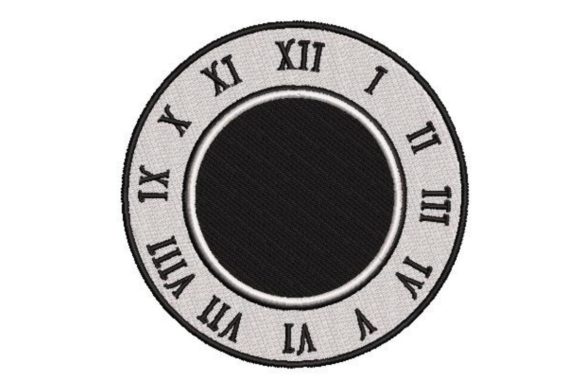
The Clock Face design carries a distinct mood. It’s nostalgic, slightly whimsical, and has a beautiful vintage or even steampunk-leaning aesthetic depending on the thread colors you choose. It feels like a piece of art rather than just a filler design. The layout is balanced, making it highly suitable for a hoodie design or a central chest piece on a classic crewneck sweatshirt. The detail level suggests a medium to high stitch density, which will give it a dense, premium, patch-like feel if done correctly.
This design leans toward minimal, bold, and decorative, but with the right palette, it can easily feel rustic, playful, or even elegant. It does not scream “feminine” or “masculine”—it sits comfortably in a unisex space, which is ideal for an Etsy seller or small shop product targeting a broad audience. The circular shape is inherently pleasing to the eye and creates a strong visual anchor for any garment it adorns.
Sweatshirt Embroidery: A Technical Deep Dive
Let’s talk shop. The first thing I look at in any embroidery file is stitch density and pull compensation. For a sweatshirt embroidery project, especially on thick fleece or French terry, a design that is too dense can cause the fabric to pucker or the thread to break. A well-digitized Clock Face will account for this. The underlay needs to be robust enough to stabilize the dense satin stitches that form the clock rim and hands.
Thread Colors, Fabric, and Stitch Density
When it comes to thread colors, contrast is key. On a neutral or pastel sweatshirt, a bold black or dark grey clock face pops beautifully. For dark fabric, consider using a high-contrast thread color like bright white, gold, or neon to ensure the details of the hands and numerals are visible. Variegated threads can also give it an antique or weathered look, enhancing the handmade product vibe. I recommend testing a solid metallic for the hands to add a subtle luxury feel.
The inner details of the clock—the hands, numerals, and any decorative elements—need to be large enough to be readable. A common mistake with small shop product digitizing is shrinking a design too much, losing the detail. If your hoop size is limited, prioritize the clarity of the center and the main numerals. The design’s personality shines through these details.
Hoop Size, Stabilizer, and Fabric Texture
A standard hoop size—say, 4x4 or 5x7—should accommodate a nice chest or sleeve version. For a back design, you might need a larger hoop. Always check the dimensions of your machine embroidery design before committing. The description says it comes with multiple embroidery file formats, which is great for machine compatibility, but you must verify the physical size. I recommend asking the seller for the exact stitch count and dimensions if they aren’t listed.
Stabilizer choice is non-negotiable here. For the high stitch density a clock face might require, a cut-away stabilizer is essential for commercial embroidery. It ensures the finished product holds its shape after repeated washing, which is crucial for buyer trust and the longevity of your custom apparel. The fabric texture of the base garment will interplay with the design. A smooth, fine-knit fleece will show the crisp lines of the clock better than a heavily textured boucle or sherpa. Test your stitch-out on the exact fabric you plan to use for your sweatshirt drop.
The circular nature of the clock face presents unique hooping challenges. Ensuring the fabric is perfectly aligned and taut in the hoop is critical to prevent the design from distorting. I recommend using a floating method with a sticky stabilizer if you are working with a particularly thick or slippery fleece. This prevents the fabric from shifting during the sewing field movement. A sharp needle designed for dense embroidery will also help avoid skipped stitches.
From Bedroom Decor to Boutique Statement Piece
The product description mentions this design is perfect for “home accessories,” and I can see it on a lovely throw pillow. But as a designer for small clothing brands, I see massive potential in breaking that boundary. The concept of time is universal and personal. On a sweatshirt, it feels like a subtle declaration of mindfulness or a vintage aesthetic. It’s a great example of how digital embroidery file markets can cross-pollinate.
An Etsy seller looking for a unique small shop product can easily buy this design, resize it, and create a limited run of hoodies that feel like genuine art pieces. Pivoting a design from its original category—Bedroom decor—does not dilute its value; it expands its potential. This is exactly how creative entrepreneurs find unique design assets that stand out in a crowded marketplace. The Embroidery process itself becomes a bridge between the home decor world and the apparel world, proving that a strong motif works anywhere.
Commercial Impact and Brand Identity
In the world of custom apparel, the design assets you choose directly impact your brand identity and customer engagement. A unique design like Clock Face immediately signals to your buyer that you are a boutique brand, not a fast-fashion retailer. It adds to the handmade product value and justifies a higher price point.
Photography, Mockups, and Etsy Listings
When shooting your lifestyle product photography or creating printable mockups for your Etsy shop, the geometric and recognizable shape of a clock face is incredibly photogenic. It creates a natural focal point that draws the eye in product photos. Imagine a model wearing an oversized hoodie with the Clock Face centered on the chest, shot in soft natural light. The design immediately communicates quality and intentionality.
Buyer Trust and Perceived Value
A well-executed, high-density embroidery piece on a hoodie demonstrates a commitment to quality. Customers are willing to pay a premium for a sweatshirt that features a complex, well-stitched design. This builds trust and encourages repeat business. The durability of the embroidery—thanks to proper stabilizer and stitch density—means the design will survive many washes, which is a key selling point for any apparel decorator.
Visual Recognition and Branding
The Clock Face is instantly recognizable. It makes for a strong brand logo or a signature decorative element. It’s a bold choice that pays off for the creative entrepreneur willing to experiment. You can use it as a large back design, a subtle sleeve accent, or a bold chest piece. Each placement tells a different story and can target different segments of your audience. For a limited edition drop, this design can become the defining visual of your entire collection.
Final Verdict: Production Insights for Your Sweatshirt Drop
Before you buy, remind yourself to check the specifics of the machine embroidery design. The description says it comes with multiple embroidery file formats, which is perfect for different machines. However, you need to verify the hoop size required, the exact stitch count, and the recommended thread colors. A test stitch-out on a fabric swatch that matches your final fabric texture is absolutely crucial. This can save you from ruining an expensive batch of sweatshirts.
Is it strong enough for commercial apparel use? Absolutely. With the right stabilizer, proper hooping, and a quality thread palette, the Clock Face design will result in a durable, beautiful, and engaging finished product. It’s a fantastic choice for a limited edition drop, a seasonal collection, or a signature piece for your boutique brand. The design is versatile enough to appeal to a wide demographic while remaining unique enough to define your brand’s aesthetic.
I recommend pressing the finished embroidery from the back to set the stitches and flatten any fabric distortion. This final step elevates the professional look of your garment. Whether you are a seasoned embroidery shop or an Etsy seller just starting out, the Clock Face is a design asset that offers real creative and commercial potential. It’s a reminder that the best designs often come from unexpected places, and with a little technical know-how, you can turn a digital embroidery file into a wardrobe staple.