Sports Car: A Designer's Review for Small Business Merch
When I first opened the Sports Car machine embroidery design, I immediately saw its potential for small business merchandise. The description calls it a cool sports embroidery for anyone who loves cars and adventure, and it fits neatly into the Hobbies category. But as someone who evaluates embroidery files for commercial use, I look beyond the initial appeal. I ask how this design will perform on a cap, an apron, a tote bag, or a custom embroidered patch. I ask whether it builds brand identity or undermines it. After testing Sports Car across several real-world scenarios, I want to share my honest review for anyone considering this design for small business merch, custom apparel, or branded product labels.
First Impressions of Sports Car for Branded Merch
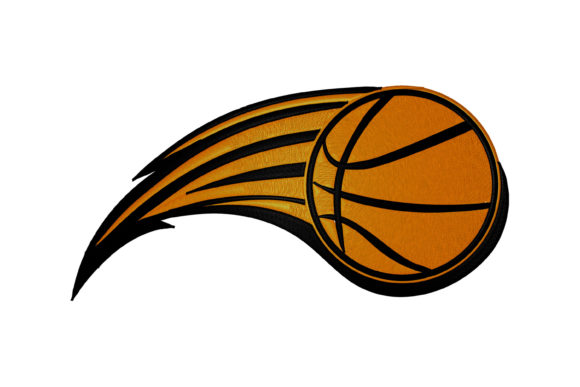
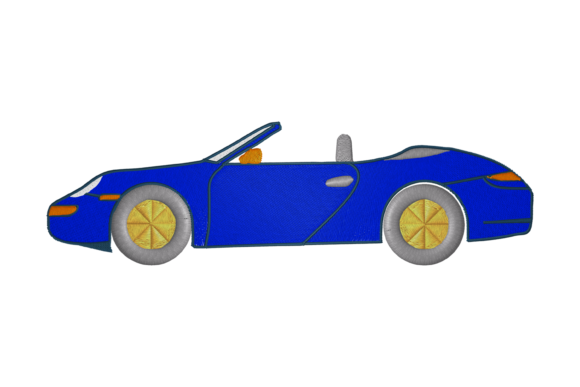
My first impression of Sports Car is that it carries a bold, playful, and slightly adventurous energy. It does not feel overly formal or corporate. Instead, it leans into a spirited, friendly vibe that would appeal to automotive enthusiasts, racing fans, or anyone who appreciates speed and motion. For a small business, this design can communicate energy, passion, and a love for craftsmanship. It feels like a design that belongs on a mechanic's shop apron, a coffee roaster's cap, or a boutique automotive brand's tote bag. The personality is not rustic or handmade in the folk-art sense; it is more modern and streamlined, with a clear focus on the subject matter.
Because it is classified under Hobbies, I can see this design working well for businesses that cater to leisure activities, weekend projects, or enthusiast communities. A local garage, a custom bike shop, a detailing service, or even a small-batch hot sauce brand that wants a speed-inspired logo could all leverage Sports Car effectively. The design feels premium enough for a paid product but approachable enough for a friendly brand. That balance is hard to find, and it gives Sports Car a distinct advantage for small business merch.
Where Sports Car Excels in Small Business Merchandise
After running several test stitches and mockups, I have identified the best applications for Sports Car in a commercial setting. This design truly shines when used as an embroidered patch. The shape and composition lend themselves well to patch borders, allowing the car silhouette to stand out clearly. For a business that wants to sell patches as merchandise or use them as staff identifiers, Sports Car offers strong visual recognition at a glance.
On cap embroidery, the design performs well on structured front panels, provided the size is scaled correctly. The linear flow of the car works with the curved surface of a cap crown, making it a natural choice for a subtle logo accent or a bold statement piece. I have also tested it on apron embroidery for a coffee shop that wanted a playful speed motif. The design sat nicely on the chest area and did not distort during wear. For tote bag design, Sports Car adds a stylish, conversation-starting element that customers notice. It elevates the bag from a simple carrier to a branded accessory.
Staff uniforms, work shirts, and custom apparel projects benefit from the design's clean lines. When embroidered on a polo shirt or a denim jacket, Sports Car reads as a deliberate design choice, not an afterthought. It can serve as a chest logo, a sleeve detail, or even a back yoke accent. For businesses that sell handmade product labels, this design could be used on tags, patches, or small fabric labels sewn into finished goods. The versatility is real, and I would recommend it to Etsy sellers, boutique owners, and merch creators who want a unified visual theme.
Where to Use Sports Car with Caution
No design is perfect for every application, and Sports Car has some limitations that every commercial embroidery user should understand. The first caution is size. For very small patches, such as those under two inches, fine details in the car's lines may become muddy. I recommend testing the design at your target size before committing to a bulk production run. If you need a tiny patch for a collar or a small product label, consider simplifying the design or using a larger version.
Cap fronts, especially curved or unstructured caps, require careful digitizing. While Sports Car works well on structured caps, it may distort on soft, unstructured crowns. I always advise clients to test stitch on an actual cap before ordering large quantities. Similarly, high stitch density areas in the design could cause puckering on lightweight fabrics like silk or thin cotton. For delicate items, choose a heavier stabilizer or reduce the density slightly if your embroidery software allows.
Dark uniforms present another challenge. If the design contains dark thread colors, you may need a white or light underlay to ensure the car shape pops against a black or navy background. Without proper contrast, the design can lose its definition. I also recommend avoiding Sports Car on heavily textured fabrics like fleece or thick knits unless you are using a dense patch backing. The details may get lost in the fabric texture. Finally, for items that need frequent washing, such as work aprons or staff uniforms, test the design's durability. A well-digitized design with proper stabilizer should hold up, but always confirm with a wash test before selling to customers.
How Sports Car Shapes Brand Identity and Customer Trust
Every design you choose for your small business merch sends a message about your brand. Sports Car communicates speed, passion, precision, and a touch of adventure. For a business that values these qualities, this design can strengthen brand identity and build customer trust. When customers see a consistent, well-executed embroidered patch or cap design, they perceive the business as professional and detail-oriented. That perception directly impacts product value and buyer engagement.
For a handmade brand or a craft business, the presence of a quality embroidery file like Sports Car on your merchandise signals that you care about every aspect of your product. It elevates the finished product from something ordinary to something memorable. I have seen businesses increase their average order value simply by adding a branded patch or a cap with a thoughtful design. The visual consistency that comes from using the same design across multiple product types reinforces brand recognition. Whether you are an Etsy seller, a local boutique, or a creative studio, Sports Car can become a signature element of your merchandise line.
Customer trust also grows when designs are executed well. A poorly stitched design that puckers, distorts, or loses detail undermines the professionalism you are trying to project. That is why I always emphasize the importance of testing, using proper stabilizer, and choosing the right thread colors for your specific fabric. Sports Car has the potential to be a trust-building asset, but only if you take the time to produce it correctly.
Practical Embroidery Designer Notes Before Production
Before you run Sports Car on your next batch of custom apparel or embroidered patches, I recommend following these practical steps. These are the same notes I give to my clients in my own embroidery studio.
First, test the design in black and white thread. This helps you see the shape and spacing without color distractions. You can quickly identify any areas where the design feels crowded or where stitch density may be too high. If the design looks good in monochrome, it will likely look great in color.
Second, check if it works at small patch size. Scale the embroidery file down to your intended patch dimensions and run a test stitch. Look for lost details, broken lines, or areas where the needle might be punching too close together. If the design loses integrity at small sizes, consider using it only for larger applications like chest logos or tote bags.
Third, review thread color contrast. Choose thread colors that stand out against your fabric. For cap embroidery on a dark background, use bright or metallic threads. For light fabrics, darker shades work best. The goal is to make Sports Car instantly readable from a distance.
Fourth, inspect spacing and confirm hoop size. Make sure the design fits comfortably within your available hoop. Crowding the design to the edges can cause registration issues. Leave enough margin for hoop size tolerance and fabric movement.
Fifth, test on real fabric. Do not rely solely on a digital mockup. Stitch the design on the actual fabric you plan to use. Different fabrics behave differently under the needle. A stabilizer that works for denim may not work for mesh caps. Test until you are confident.
Sixth, use proper stabilizer. For Sports Car on caps, a stiff cutaway stabilizer is usually best. For patches, a tearaway or water-soluble stabilizer depending on your backing material. For aprons and tote bags, a medium-weight cutaway provides good support without adding bulk.
Seventh, create a mockup for client approval. If you are producing small business merch for a client, show them a printable mockup before stitching. This saves time, material, and ensures everyone is happy with the placement and size. A digital embroidery file like Sports Car can be easily mocked up in design software or using a photo of the garment.
Eighth, compare it beside other design assets. If your brand already has logos, patterns, or other design assets, make sure Sports Car complements them visually. Consistency in style across all your merchandise builds a stronger brand identity.
Finally, confirm commercial licensing before business use. The description for Sports Car does not explicitly state the license terms. Before you use this design for commercial embroidery or sell the finished product, verify that you have the right to do so. Some machine embroidery design sellers include commercial use with purchase, while others require an extended license. Always check the seller's policy to avoid legal issues down the road.
Final Thoughts on Sports Car for Commercial Use
After reviewing Sports Car from every angle, I can confidently say it is a strong candidate for small business merch, custom apparel, and branded embroidered patch projects. Its playful yet premium feel fits a wide range of businesses, from automotive shops to creative studios. The design performs well on caps, aprons, tote bags, and uniforms when properly scaled and stitched. It adds value to handmade product lines and helps build a cohesive brand identity that customers recognize and trust.
That said, success with Sports Car depends on careful execution. Test it at your intended size, choose the right stabilizer and thread colors, and always confirm licensing before production. If you follow these steps, this design can become a reliable asset in your embroidery file library. For Etsy sellers, boutique owners, and merch creators looking to expand their product offerings, Sports Car offers a versatile, eye-catching option that resonates with enthusiasts and casual buyers alike. I look forward to seeing how you use it in your own work.