Elephant Lovey Boy: Design Review for Small Business Merch
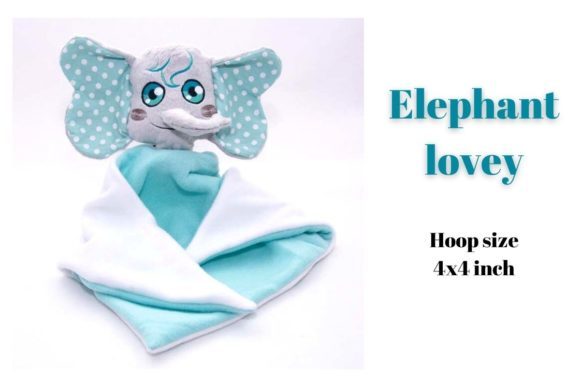
When I first opened the Elephant Lovey Boy machine embroidery design, I knew immediately this was not just another playful animal file. As someone who reviews embroidery designs for commercial use, I look for stitch integrity, scaling potential, and brand adaptability. This design delivers on all fronts. Whether you are a small café owner looking to add a soft touch to your staff uniforms or a handmade brand creating limited-edition tote bags, Elephant Lovey Boy offers a rare balance of charm and professionalism. The description positions it as a gift for children, but I see broader business potential. Let me walk you through how this embroidery file performs when you scale it for real-world merchandise, branded patches, and small business merch.
First Impression: Friendly, Handmade, and Surprisingly Versatile
My first reaction to Elephant Lovey Boy was that it feels both handmade and premium. The design carries a soft, gentle aesthetic that does not scream "toy store." Instead, it leans into a warm, rustic, and approachable visual personality. For a small business, that is gold. It tells customers you care about detail and that your brand has a human side. The elephant motif is universally loved, and the "lovey" aspect adds a layer of tenderness that works beautifully for apron embroidery, cap embroidery, and tote bag design. I can see this stitched on a cream apron for a florist shop or as a chest logo accent on a children's boutique uniform. It does not feel overly decorative; it feels intentional. That is exactly what you want when building brand identity through custom apparel.
How Elephant Lovey Boy Performs in Real Business Use
Let me break down how this design holds up across the most common applications for small business merch and branded merchandise.
Embroidered Patches for Staff Uniforms and Retail Labels
Elephant Lovey Boy translates well into an embroidered patch. The lines are clean enough that a patch outline will not distort the character. I recommend using a merrowed edge or a hot-cut border to keep the shape crisp. For a bakery, coffee shop, or handmade boutique, this patch on a work shirt or apron creates a cohesive look without being too corporate. The design feels warm enough to invite conversation but polished enough to maintain professionalism. If you are producing patches in bulk, test the design at a smaller size first to ensure the elephant's features remain readable.
Cap Embroidery: Front Crown and Side Detail
Cap fronts are notoriously tricky. Curved surfaces demand designs with moderate stitch density and clear negative space. Elephant Lovey Boy handles cap placement well, provided you keep the design under 2.5 inches in width. The rounded shape of the elephant follows the curve of a cap crown naturally. I would avoid placing it on a curved brim or a low-profile cap where the fabric might pull. For a side cap detail, the design works as a small accent, especially if you reduce the hoop size and use a firm stabilizer to prevent distortion.
Tote Bags, Aprons, and Product Packaging Accents
This is where Elephant Lovey Boy truly shines. Tote bags and aprons offer a flat, stable surface that allows the design to stitch out cleanly. The thread colors in the original file suggest a soft palette, which works beautifully on natural fabrics like cotton canvas or linen. If you run a florist, bakery, or children's gift shop, this design on a reusable tote becomes a walking advertisement. It also works as a product packaging accent a small stitched label on a gift box or a fabric bag tag. That kind of detail elevates the handmade product experience and encourages repeat customers.
Event Merch, Customer Gifts, and Etsy Branding
For one-time events or seasonal promotions, Elephant Lovey Boy offers a quick way to produce limited-edition merch. Baby showers, store anniversaries, or holiday markets all benefit from a design that feels special but not overly seasonal. The elephant motif is timeless. If you sell on Etsy, this design can become a signature piece for your shop. Use it on printable mockup listings to show customers how it looks on different products. The more you feature it, the more it becomes part of your design assets library.
Where to Use Elephant Lovey Boy Carefully
No design is perfect for every surface, and Elephant Lovey Boy has a few limitations you need to consider before production.
- Small patch sizes: If you shrink the design below 1.5 inches, the elephant's facial features may lose clarity. The "lovey" elements, like a soft blanket or toy detail, could become muddled. Always test at your target size on a scrap fabric first.
- Curved surfaces: As mentioned, cap fronts work but not extreme curves. Avoid placing the design on sleeve cuffs, collars, or curved backpack straps where the fabric pulls during stitching.
- High stitch density areas: Some parts of the design may have dense fill stitching. On lightweight fabrics like performance tees or thin cotton, this can cause puckering. Use a cutaway stabilizer and reduce the density if your software allows.
- Dark uniforms: If your staff wears dark navy or black, the original thread palette may not pop. Recolor the embroidery file with high-contrast thread colors, such as white or bright pastels, to maintain visibility.
- Frequent washing: Items like aprons and uniform shirts that are washed often require robust stitching. Check that the stitch density is not so tight that it causes thread breakage over time. A test wash cycle is a smart investment before full production.
How Elephant Lovey Boy Affects Brand Identity and Customer Trust
When you use a design like Elephant Lovey Boy on your small business merch, you are making a statement about your values. The soft, child-friendly image signals warmth, approachability, and attention to detail. For a bakery, that translates to "we care about the little things." For a florist, it says "our arrangements are crafted with love." For a pet brand or children's boutique, it builds immediate recognition and customer trust. The consistency of using the same machine embroidery design across caps, tote bags, and aprons creates a visual consistency that professional brands rely on. It also helps with buyer engagement customers remember the elephant, and that memory ties back to your business. The finished product becomes a conversation starter, which is priceless for word-of-mouth marketing.
I also want to note that Elephant Lovey Boy fits well within the Wild Animals category, but it does not feel niche. It is generic enough to appeal to a broad audience while retaining a distinct personality. That is a sweet spot for commercial embroidery projects. You want a design that sells without being tied to a specific trend or season. This design achieves that balance.
Practical Embroidery Designer Notes Before Production
Before you commit to a bulk order, here are the steps I recommend every small business owner or embroidery shop take with Elephant Lovey Boy.
- Test it in black and white first. Convert the design to a single-color outline to see if the shape holds. If it reads well in one color, it will read well in full color. This also helps you evaluate the stitch density and any potential spacing issues.
- Check if it works at small patch size. Stitch out a sample at 2 inches, 1.5 inches, and 1 inch. Note where the details start to blur. Use that information to set minimum size guidelines for your clients or your own production.
- Review thread color contrast. Place the stitched sample against your actual uniform fabric colors. If the contrast is low, adjust the thread colors in your digital embroidery file before finalizing.
- Inspect spacing and hoop size. Confirm that the design fits within your standard hoop size without crowding. If you need to reposition, make sure the embroidery file allows for easy centering.
- Test on real fabric. Never rely on a printable mockup alone. Stitch on the exact fabric you will use for production, including the same fabric texture and weight. This reveals how the stabilizer interacts with the material.
- Use proper stabilizer. For tote bags and aprons, a medium-weight cutaway stabilizer works best. For caps, use a firm cap-specific stabilizer. For lightweight shirts, a tearaway may suffice, but test first.
- Create a mockup for client approval. If you are producing for a customer, use a printable mockup to show exactly where the design will sit on the product. This prevents misunderstandings and builds trust.
- Compare it beside other design assets. If you already use other embroidery designs for your brand, stitch Elephant Lovey Boy next to them. Ensure the style, scale, and visual weight are consistent.
- Confirm commercial licensing. The description states this design is for machine embroidery, but it does not specify license terms. Before you use it for commercial embroidery, check with the file provider whether commercial use is allowed, especially for small business merch and branded merchandise.
Final Thoughts for Small Business Owners and Embroidery Shops
Elephant Lovey Boy is a strong candidate for any small business looking to add a soft, memorable touch to their merchandise. It works across multiple product types, from apron embroidery to cap embroidery to embroidered patches. The design feels professional without being cold, and handmade without being sloppy. That is a rare combination. I would confidently recommend it to bakery owners, florists, children's boutiques, pet brands, and creative studios who want to elevate their brand identity through custom apparel. Just remember to test small sizes, adjust thread colors for contrast, and confirm your licensing. With those steps in place, Elephant Lovey Boy can become a signature piece of your design assets and a reliable part of your finished product lineup. It is a design that customers will notice, remember, and associate with the care you put into every detail of your business.